1 min read
15 min read
How to Plan a Whole-House Remodel in Charlotte
 Erin Dougherty
:
Jun 14, 2026, 11:41:57 PM
Erin Dougherty
:
Jun 14, 2026, 11:41:57 PM
Post Narration
35:02
Planning a whole-house remodel in Charlotte is one of the most rewarding investments you can make in your home — and also one of the most complex. When done right, you'll have a beautifully designed space that reflects your lifestyle and serves your family for generations. When done poorly, you're looking at missed deadlines, unexpected expenses, and months of frustration. Distinctive Design + Build + Remodel helps Charlotte homeowners navigate this process from concept to completion, creating homes built to last through personalized service and meticulous craftsmanship.
This guide walks you through everything you need to know about planning a turnkey whole-house renovation in the Charlotte area. You'll learn how to set a realistic scope, assemble the right team, manage your timeline, and avoid the costly overruns that derail so many remodeling projects.
Key Takeaways: How to Plan a Whole-House Remodel in Charlotte
- A turnkey whole-house remodel requires thorough planning, clear scope definition, and a detailed schedule of works before construction begins.
- Distinctive Design + Build + Remodel offers start-to-finish remodeling services that eliminates the confusion and cost overruns common in traditional remodeling.
- Choosing a design-build firm in Charlotte streamlines communication by keeping designers and builders on the same team from day one.
- Setting aside a contingency fund of 20% to 25% protects you from unforeseen structural issues and material price fluctuations.
- Making all design decisions before demolition begins is the single most effective way to keep your Charlotte remodel on schedule and on investment.
What Is a Whole-House Remodel and When Does It Make Sense?
A whole-house remodel involves renovating multiple rooms and systems throughout your home as a single, coordinated project. Rather than tackling individual spaces over several years, you're addressing everything at once — kitchens, bathrooms, flooring, electrical, plumbing, HVAC, and more.
This approach makes sense when your home needs extensive updates that would be disruptive if done piecemeal. Many Charlotte homeowners pursue whole-house remodels after purchasing an older property in neighborhoods like Myers Park, Dilworth, or Eastover. The existing bones are solid, but the layout, finishes, and systems need a complete refresh.
A whole-house remodel also works well when you love your location but have outgrown your current floor plan. Perhaps you need a primary suite addition, a more functional kitchen, or flexible spaces for remote work and multi-generational living.
Why Charlotte Homeowners Are Investing in Turnkey Renovations
Charlotte's real estate market continues to attract professionals in medicine, law, finance, and real estate who appreciate quality craftsmanship and thoughtful design. According to industry experts, homeowner preferences increasingly favor aesthetic enhancements and functional improvements over simply adding square footage.
A turnkey approach means one team handles every aspect of your renovation from initial design through final walkthrough. You're not coordinating between an architect, a general contractor, and a dozen subcontractors. Instead, you have a single point of contact who understands your vision and takes responsibility for delivering it.
For busy Charlotte professionals, this streamlined process is invaluable. You want to enjoy your newly renovated home — not spend months managing construction logistics while juggling your career and family obligations.
How to Define the Scope of Your Whole-House Remodel
Every successful renovation starts with clearly defining what you want to accomplish. Scope creep—where projects gradually expand beyond the original plan — is one of the leading causes of delays and increased costs.
Start with a Detailed Wish List
Before meeting with any contractors, document everything you want your renovated home to include. Think about your family now and in ten years. Consider home offices, guest suites, outdoor living spaces, and aging-in-place modifications. You can eliminate items later for practical reasons, but you can't recover ideas you never wrote down.
Collect design inspiration from architectural publications, home tours, and platforms like Houzz or Pinterest. Build a design idea book — digital or physical — that you can share with your design team. This single tool will save dozens of hours in early design meetings.
Identify Must-Haves Versus Nice-to-Haves
Once you have your complete wish list, categorize each item. Must-haves are non-negotiable — the features that prompted you to remodel in the first place. Nice-to-haves are items you'd love to include if the project supports them.
This prioritization helps your design team make smart recommendations when tradeoffs become necessary. It also prevents emotional decision-making during construction when change orders are most expensive.
Conduct a Feasibility Assessment
Not every design idea is practical for your specific property. Structural limitations, zoning requirements, and existing systems can all impact what's possible. A qualified design-build firm will assess your home's current condition and local regulations before finalizing plans.
This upfront evaluation helps prevent costly surprises once walls are opened — although it's important to understand there may still be unforeseen conditions which is why it's important to have a contingency fund. Discovering structural deficiencies or code compliance issues during demolition can add weeks to your timeline and thousands to your investment. That's why we may suggest exploratory demo during the feasibility stage, if practical, to get ahead of the unforeseen conditions.
How to Choose the Right Remodeling Partner in Charlotte
The contractor you select will determine whether your whole-house remodel delivers on its promise or becomes a cautionary tale. Charlotte has many remodeling firms, but not all are equipped for complex, high-end renovations.
Design-Build vs. Traditional Design-Bid-Build
The traditional approach separates design and construction into distinct phases with designers often working in a silo and the builder waiting on the sideline while the plans develop without his or her input. You hire an architect or residential designer to create plans, then solicit bids from general contractors to build them. This method creates inherent conflicts — architects may design features that are difficult or expensive to build, and contractors may not fully understand the design intent.
The design-build model keeps designers and builders on the same team from the beginning. Your project is designed with full knowledge of how it will be built. This integration reduces miscommunication, speeds up timelines, and keeps investments under tighter control.
Distinctive Design + Build + Remodel uses an integrated approach where you work directly with the company owners throughout your project. This owner-led service ensures you have their full, undivided attention rather than being handed off to project managers with less experience and authority.
Questions to Ask Potential Contractors
When interviewing remodeling firms, ask specific questions that reveal their capabilities and approach:
- How many whole-house remodels will you be managing at one time in the Charlotte area?
- Can you share references from homeowners with similar projects?
- What is your process for handling change orders?
- How do you communicate project updates and schedule changes?
- Do you use fixed-price contracts, cost-plus arrangements, or a hybrid approach?
- What warranty do you offer on completed work?
Pay attention to how contractors respond. A reputable firm will answer confidently and provide documentation supporting their claims. Be wary of contractors who are evasive about their process or unwilling to share detailed references.
Red Flags to Watch For
Certain warning signs should prompt you to continue your search:
- Unusually low or free estimates that seem too good to be true
- Pressure to sign contracts quickly without adequate review time
- Lack of proper licensing, insurance, or bond documentation
- Reluctance to put details in writing
- Poor communication during the sales process
Remember that the smoothest renovations happen when you pair expert support with your own organization and involvement. Even the most qualified contractor needs a homeowner who is engaged and responsive.
How to Develop a Realistic Timeline for Your Charlotte Remodel
Whole-house remodels in Charlotte typically take twelve to twenty-four months from initial consultation to final walkthrough. The timeline depends on your project's complexity, the scope of structural changes, and how quickly you make design decisions.
The Design Phase
Plan for four to eight months in the design phase. During this time, your team will assess your existing home, develop conceptual plans, refine those plans based on your feedback, select materials and finishes, and prepare construction documents.
Rushing this phase is one of the biggest mistakes homeowners make. Every decision you defer to the construction phase increases your risk of delays and additional costs. Lock in your materials, electrical locations, hardware, fixtures, and appliances before work begins.
Permitting and Approvals
Charlotte's permitting process can take several weeks to several months depending on your project scope. Whole-house remodels involving structural changes, electrical upgrades, and plumbing modifications require multiple permits and inspections.
If your home is in a historic district, you may also need approval from preservation boards. An experienced Charlotte remodeling firm will navigate these requirements efficiently and factor appropriate lead time into your schedule.
The Construction Phase
Construction timelines vary based on project scope, but most whole-house remodels require ten to sixteen months of active construction. Your contractor should provide a detailed schedule showing major milestones and expected completion dates for each phase.
Keep in mind that unforeseen conditions can impact this timeline. Older Charlotte homes often reveal hidden problems once walls are opened — outdated wiring, deteriorated plumbing, structural deficiencies, or water damage. A quality contractor builds contingency into the schedule for addressing these discoveries.
How to Avoid Cost Overruns in Your Whole-House Remodel
According to Houzz, approximately 31% of home renovation projects exceed their original investment, and about three out of four of homeowners take on debt to cover the additional expenses. Understanding why overruns happen helps you prevent them.
Start with a Realistic Investment Range
Many projects exceed their target because homeowners don't start with realistic expectations. Labor, materials, permits, and even the time of year can affect costs. If you base your planning on best-case scenarios or outdated averages, you leave no room for the inevitable surprises that surface during construction.
A qualified Charlotte design-build firm will help you understand what your goals actually require before you commit to the project. This honest assessment prevents the disappointment of discovering your vision costs significantly more than anticipated.
Super Tight Scope of Work
A detailed scope of work — pages long and specific — helps prevent scope and cost creep. This document outlines every task, material, and decision point in your project. You can't hold your builder accountable if you don't know what is included in the scope of work.
Your scope of work should include:
- Detailed specifications for all materials and finishes
- Clear definitions of included versus excluded items
- Allowances for items not yet selected (we prefer all selections are complete before construction begins)
- Change order procedures and pricing
Make All Design Decisions Before Construction Begins
Every time you change materials or add features mid-project, you increase your investment. Changes made after construction starts have ripple effects that compound throughout your final invoice. A different tile selection might seem minor, but it could affect installation costs, lead times, and adjacent finish details.
Distinctive Design + Build + Remodel works with Charlotte homeowners to finalize every design decision before demolition begins. This "measure twice, cut once" approach ensures you know exactly what you're getting and what it will require before the first hammer swings.
Maintain a Contingency Fund
Even with meticulous planning, whole-house remodels reveal surprises. Every older home has secrets hidden behind walls and under floors — problems that no initial assessment could identify. Setting aside a contingency fund of 20% to 25% of your total investment protects you from unforeseen structural issues, code compliance requirements, and material fluctuations.
Your contingency isn't a slush fund for upgrades you decide you want mid-project. It's protection against genuine unknowns. If you don't use it, consider it a bonus that can fund additional improvements or go back into your savings.
What Systems and Components Are Addressed in a Whole-House Remodel?
A comprehensive whole-house renovation addresses multiple building systems and living spaces simultaneously. Understanding what's involved helps you plan appropriately and communicate effectively with your remodeling team.
Structural and Architectural Changes
Many whole-house remodels involve opening up floor plans, adding square footage, or reconfiguring room layouts. These changes require structural engineering to ensure your home remains safe and sound.
Common structural modifications include removing load-bearing walls, adding support beams, raising ceilings, and creating new openings for windows and doors. Our design-build team will work with structural engineers to design solutions that achieve your aesthetic goals while maintaining structural integrity.
Electrical Systems
The majority of Charlotte's housing stock was built between the 1990s and 2010s. Because the city experienced massive population and development booms during this timeframe, the median age of a Charlotte home is relatively young, typically falling between 15 and 35 years old. That's good news for many Charlotte homeowners.
But many of our clients own homes built before 1970. These homes are primarily in the city’s urban core and established inner-ring neighborhoods like Plaza Midwood, Dilworth, and Myers Park.
Older Charlotte homes often have electrical systems that are inadequate for modern living. Many of the homes built in the late 60s and 70s have solid aluminum branch-circuit wiring. This type of wiring is a known fire hazard. Rewiring with copper or installing certified "pigtail" connectors is recommended. Pigtailing all outlets and switches in an older home can still run into the thousands of dollars and leaves you with an aging electrical system. That's why we often recommend a complete re-wire.
A whole-house remodel typically includes upgrading your electrical panel, adding circuits for kitchen appliances and home offices, and installing modern lighting controls.
This is also the time to plan for smart home integration. Running low-voltage wiring for audio, video, and home automation is far easier during a major renovation than as a retrofit project.
Plumbing Systems
If you're reconfiguring kitchens or bathrooms, plumbing modifications are inevitable. Beyond relocating fixtures, many whole-house remodels include replacing aging supply lines and drain systems with modern materials that will last for decades.
Water heater upgrades, whole-house filtration, and outdoor plumbing for kitchens and pools are often incorporated during this phase as well.
HVAC Systems
Changing your floor plan typically affects heating and cooling distribution. A whole-house remodel is the ideal time to upgrade to a more efficient HVAC system and ensure your ductwork serves your new layout effectively.
Charlotte's hot, humid summers make proper climate control essential for comfort. Modern HVAC systems offer better humidity control and energy efficiency than equipment installed even ten years ago.
Kitchen Renovations
The kitchen is often the heart of a whole-house remodel. Modern Charlotte homeowners want kitchens that support serious cooking, casual entertaining, and family gathering — often all at once.
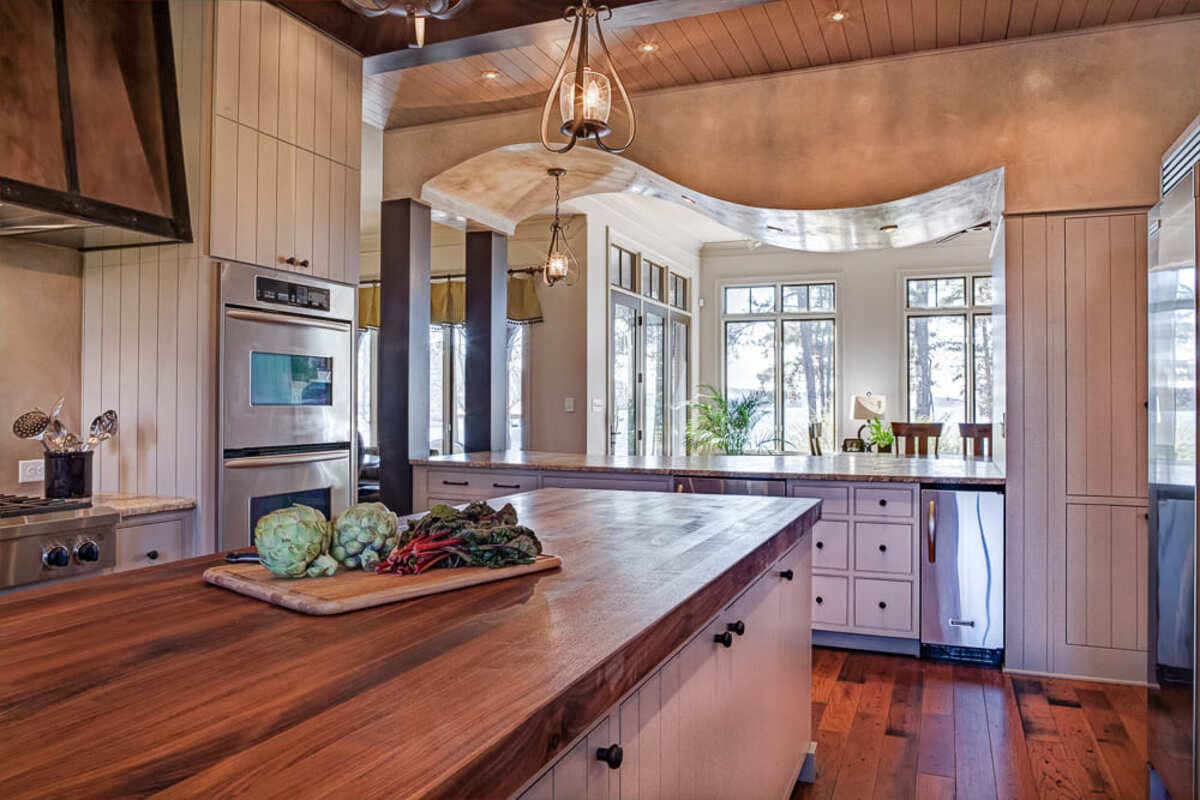
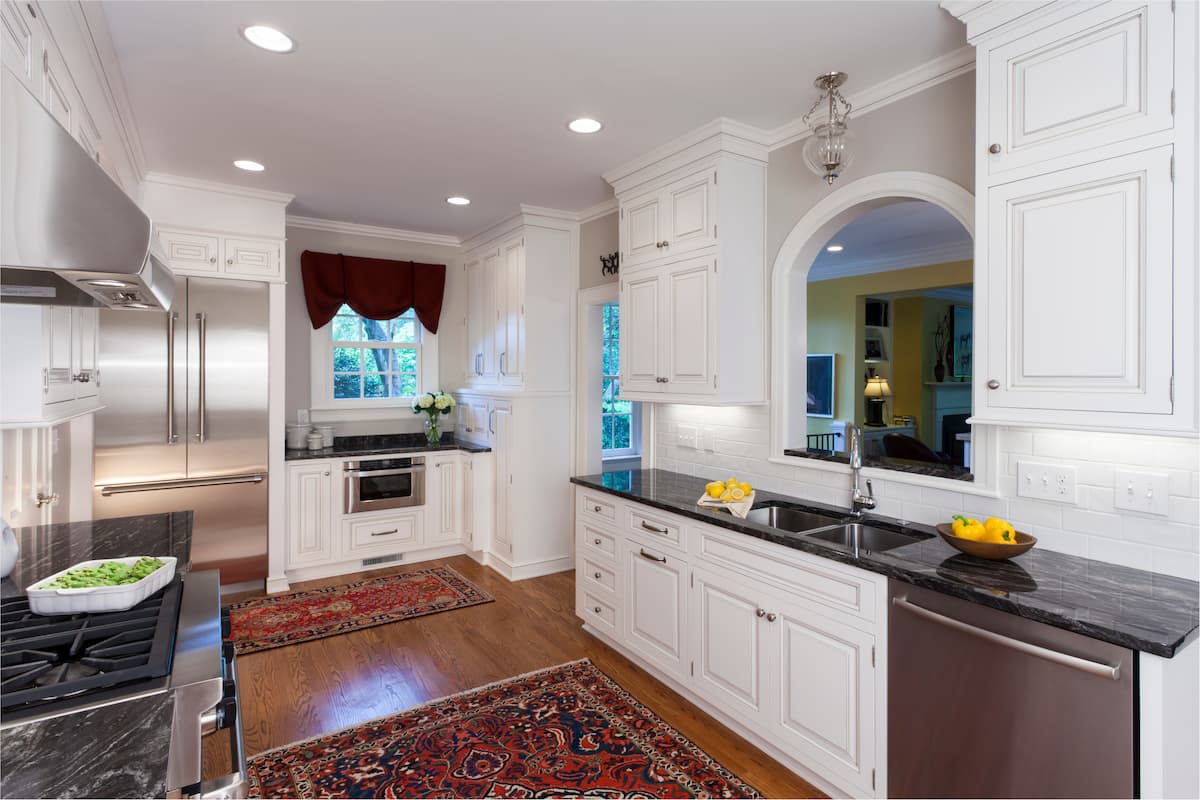
Typical kitchen components include custom cabinetry, professional-grade appliances, durable countertops, task and ambient lighting, and pantry storage. Distinctive Design + Build + Remodel's kitchen remodeling services address every detail from conception to completion, ensuring your kitchen functions as beautifully as it looks.
Bathroom Renovations
Primary suites, guest bathrooms, and powder rooms all receive attention in a whole-house remodel. Current trends favor spa-like features, natural materials, and smart technology integration.
High-end bathrooms might include radiant floor heating, freestanding soaking tubs, walk-in showers with multiple spray heads, and custom vanities. The goal is creating spaces that support both daily routines and relaxation.
Flooring and Finishes
A whole-house remodel presents the opportunity to establish consistent flooring throughout your home. Hardwood remains popular in Charlotte, though engineered options offer excellent durability and moisture resistance for kitchens and bathrooms.
Wall treatments, trim details, and paint selections are coordinated across all rooms to create a cohesive design language throughout your home.
How Long Does a Whole-House Remodel Take in Charlotte?
Total project duration from first meeting to move-in typically ranges from twelve to twenty-four months. Here's a general breakdown:
Pre-Construction Phase: 4-8 Months
This phase includes initial consultations, design development, material selection, construction documents, permitting, and contractor scheduling. Rushing pre-construction almost always leads to problems during construction.
Construction Phase: 8-16 Months
Active construction time depends on your project's complexity. Demolition typically takes two to four weeks. Rough construction — framing, electrical, plumbing, and HVAC — usually requires two to four months. Finish work— drywall, trim, cabinets, flooring, and paint — often takes four to eight months.
Factors That Extend Timelines
Several factors can add weeks or months to your schedule:
- Custom millwork and cabinetry with long lead times
- Special-order materials from overseas manufacturers
- Structural discoveries requiring engineering solutions
- Permitting delays or inspection failures
- Design changes during construction
- Weather impacts on exterior work
Your builder should communicate proactively about schedule impacts and work to minimize delays through careful planning and coordination.
How to Live During a Whole-House Remodel
One of the most common questions Charlotte homeowners ask is whether they can stay in their home during a major renovation. The answer depends on your project's scope and your tolerance for disruption.
When Staying Makes Sense
If your remodel is phased so that some areas remain habitable throughout construction, staying home might be feasible. You'll need functional sleeping, bathing, and cooking facilities — even if temporary.
Living on-site allows you to observe progress daily and make small decisions quickly. However, it also means living with noise, dust, and workers in your space every day.
When Moving Out Is Better
For comprehensive whole-house remodels, most Charlotte homeowners find temporary housing more practical. When HVAC systems are being replaced, plumbing is disconnected, and dust is everywhere, living on-site becomes miserable and potentially unsafe.
Many homeowners rent furnished apartments, stay with family, or take extended vacations during the most disruptive construction phases. Your contractor can help you identify which periods will be most challenging for on-site living.
Protecting Your Belongings
Regardless of where you live during construction, you'll need to address your furniture and belongings. Some items can be stored in your garage, attic, basement or sealed rooms — although we may need your garage space to store construction materials out of the elements. Others belongings may need off-site storage to protect them from dust and potential damage.
Plan for this logistics early. Moving and storage costs add to your project investment, and scrambling to address them at the last minute creates unnecessary stress.
What Permits Are Required for a Whole-House Remodel in Charlotte?
Charlotte's permitting requirements protect homeowners and ensure construction meets safety standards. Understanding the process helps you plan realistic timelines.
When Permits Are Required
You'll generally need permits for:
- Structural modifications including wall removal and additions
- Electrical work beyond simple fixture replacements
- Plumbing modifications and new fixture installations
- HVAC system changes and ductwork modifications
- Replacing a roof with different / heavier materials (or adding new roofing where none existed)
- Building, replacing, or upgrading decks, pools, or retaining walls.
Projects with total costs exceeding $40,000 typically require permits regardless of work type.
The Permit Application Process
Our design-build team will handle permit applications on your behalf. This involves submitting construction documents, paying application fees, and scheduling plan reviews. Approval timelines vary from several weeks to several months depending on project complexity and current review backlogs.
Inspections During Construction
Permitted work requires inspections at various stages — rough framing, electrical rough-in, plumbing rough-in, insulation, and final inspection. Failed inspections can delay your project until corrections are made and reinspection is completed.
Quality builders schedule inspections proactively and address any issues immediately. A pattern of failed inspections suggests either rushed work or inadequate supervision.
How to Communicate Effectively with Your Remodeling Team
Clear communication prevents misunderstandings that lead to mistakes, delays, and conflict. Establishing good communication practices from the start makes your entire project run more smoothly.
Designate a Single Decision-Maker
If multiple family members are involved in your remodel, designate one person as the primary contact for your contractor. Having multiple people giving direction creates confusion and can lead to contradictory instructions.
This doesn't mean other family members can't have input — just that all direction to the contractor flows through one consistent source.
Document Everything
Keep written records of decisions, changes, and conversations. Emails or written notes kept in a project management portal after phone calls summarize what was discussed and agreed. This documentation protects everyone and provides a reference when questions arise later.
Establish Regular Update Schedules
Professional builders provide weekly progress updates, either through on-site meetings or digital project management tools. These regular check-ins allow you to see progress, ask questions, and address concerns before they become major issues.
Resist the temptation to contact your builder constantly with small questions. Batch non-urgent items for your scheduled updates to respect everyone's time and keep communication organized. A quick text message to confirm minor details is fine, but substantive communication should be done on-site or in the digital project management portal.
What Return Can You Expect from a Whole-House Remodel?
While financial return shouldn't be your only motivation for remodeling, understanding the value implications helps you make informed decisions.
Personal Value vs. Market Value
The greatest return from a whole-house remodel is the personal value you receive from living in a beautifully designed home that functions perfectly for your family. This daily enjoyment is impossible to quantify but incredibly real.
Market value increases are more variable. Well-executed renovations in desirable Charlotte neighborhoods typically recoup 70% to 90% of their investment at resale. However, over-improving for your neighborhood can limit returns. The longer you stay in your home after remodeling, the more likely you are to realize financial returns on your investment.
Features That Add the Most Value
Kitchen and bathroom improvements consistently deliver strong returns. Updated electrical and plumbing systems may not be visible but give buyers confidence in the home's condition.
Energy efficiency upgrades — modern HVAC systems, improved insulation, high-performance windows — appeal to environmentally conscious buyers and reduce ongoing operating costs.
Timing Considerations
If you plan to sell within a few years, focus on updates that appeal to the broadest range of buyers. If you're staying long-term, prioritize features that enhance your daily life even if they're more personal in nature.
In Conclusion: Creating Your Perfect Charlotte Home
A whole-house remodel in Charlotte represents a significant investment of time, money, and emotional energy. The homeowners who are most satisfied with their results are those who plan thoroughly, select their remodeling partner carefully, and stay engaged throughout the process.
Start by defining exactly what you want to accomplish and what you're prepared to invest. Interview multiple design-build firms and choose one whose communication style, experience, and approach align with your expectations. Make design decisions before construction begins, maintain appropriate contingency funds, and communicate openly throughout the project.
Distinctive Design + Build + Remodel works with Charlotte homeowners who value beauty and craftsmanship in their homes. Through personalized service and an integrated design + build approach, our goal is to eliminate the confusion and cost overruns that often accompany major renovations. When you're ready to discuss your whole-house remodel, you'll work directly with people who treat your project like their own.
Your home should be beautifully designed and built to last for generations. With the right planning and the right partner, your whole-house remodel will deliver exactly that.
FAQs About How to Plan a Whole-House Remodel in Charlotte
How Much Does a Whole-House Remodel Typically Cost in Charlotte?
Costs vary significantly based on your home's size, scope of work, and finish level. High-end whole-house remodels in Charlotte neighborhoods like Myers Park and Eastover typically range from several hundred thousand dollars to well over a million. Distinctive Design + Build + Remodel works with homeowners to establish realistic investment ranges during initial consultations, to help ensure your expectations align with your goals.
What Is the Difference Between a Renovation and a Remodel?
A renovation generally refers to updating or restoring existing features without changing the fundamental layout. A remodel involves changing the structure or layout of a space. Whole-house remodels typically combine both — restoring some elements while reconfiguring others. The distinction matters less than clearly communicating your goals to your contractor.
How Do I Know If I Should Remodel or Build New?
Consider remodeling if you love your location, have a structurally sound home, or live in a neighborhood where teardowns aren't common. Building new makes sense when your lot permits it, existing structures have major problems, or you want a completely custom layout. Distinctive Design + Build + Remodel offers both remodeling and custom home building services, helping Charlotte homeowners evaluate which approach best serves their situation.
Can I Stay in My Home During a Whole-House Remodel?
It depends on your project's scope and phasing. Some homeowners stay throughout construction by living in completed sections while other areas are renovated. Others find temporary housing more practical, especially during phases involving major systems work. Our design-build team can help you evaluate which approach makes sense for your specific project.
How Do I Protect Myself from Contractor Fraud or Poor Work?
Verify licensing and insurance before signing any contracts. Check references thoroughly, visiting completed projects when possible. Avoid contractors who pressure you to sign quickly. Establish clear payment schedules tied to completed milestones. Distinctive Design + Build + Remodel maintains transparent processes and encourages prospective clients to speak with past clients.
What Should I Do If My Project Goes Over the Initial Estimate?
First, understand why costs increased. Legitimate overruns come from unforeseen conditions, code compliance discoveries, or changes you requested. Review your contract's change order procedures. If you disagree with charges, discuss them with your contractor before paying. Professional contractors communicate cost impacts before proceeding with work that affects your investment.
How Far in Advance Should I Plan My Whole-House Remodel?
Start planning twelve to twenty-four months before you want to move into your renovated home. Quality design-build firms in Charlotte often have scheduling commitments that require advance booking. This lead time allows thorough design development and material selection without rushing decisions that affect your finished home.
Discover More Inspiration!